
Morphos / Work
Tankardstown House
An eighteenth-century country house in County Meath with a working walled garden, a restaurant, and a wedding business — three audiences sharing one address.
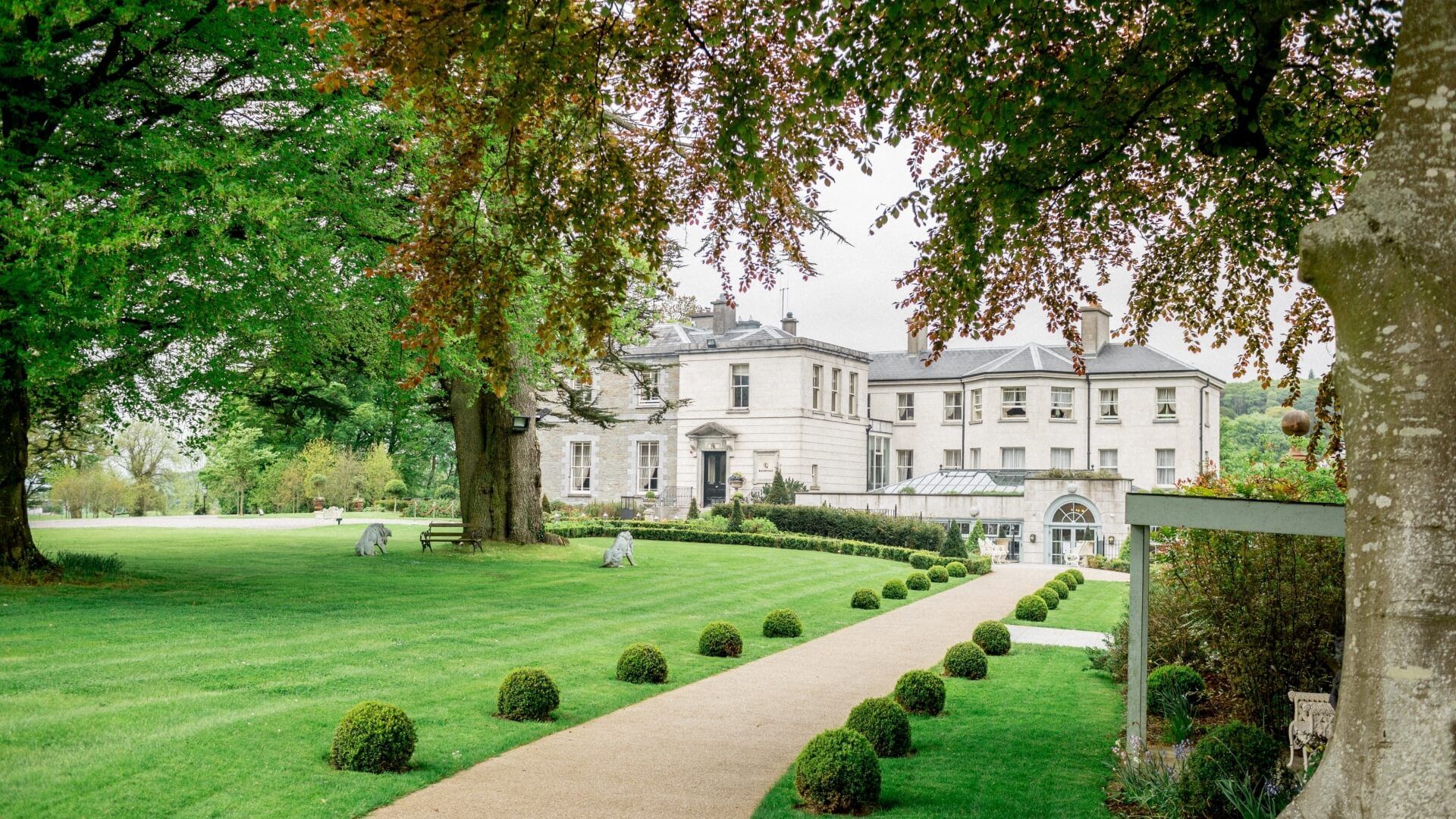
Tankardstown is the kind of property that loses online in a specific way: the photographs are beautiful, the reviews are excellent, and the website still makes a guest work to find a room. Three separate businesses — hotel, restaurant, weddings — were sharing a navigation built for one.
The problem, as stated by the property
"People arrive at the site and then call us to ask whether we have availability, how to book a table, and who to speak to about a wedding. The information is there. It is just not where they look."
What changed
The site was rebuilt around the three things a visitor actually arrives to do, rather than around the organisational chart of the estate.
Four structural changes
- One booking path, not three — stay, dine and celebrate each became a single obvious route from anywhere on the site, instead of links scattered across a mega-menu.
- The garden carried into the design — the walled garden is the reason people remember the place, so its light and colour became the palette rather than a stock hospitality blue.
- Photography given room — the existing shoot was strong and under-used. Room pages became image-led with the practical detail set underneath rather than competing with it.
- Weddings treated as its own site — a wedding enquiry has a different shape from a weekend booking. It got its own page sequence and its own enquiry form.
How it was built
Hand-written front end, deployed to a global CDN, with a content system the estate team can operate without a developer. Room rates, menus and seasonal offers are editable in place; nothing about the layout depends on a plugin that might disappear.
The result
Measured across the first six months after launch, against the same period a year earlier. Figures cover the estate's own reporting, before and after the rebuild.
| Metric | Before | After |
|---|---|---|
| Direct booking enquiries per month | 41 | 78 |
| Share of bookings made direct rather than through an intermediary | 22% | 39% |
| Enquiries arriving with date and party size already stated | 31% | 84% |
| Phone calls to ask about availability | ~9 / week | ~3 / week |
| Average time to first reply to a wedding enquiry | 2.4 days | Same day |
Measured over six months post-launch against the equivalent period the year before. Attribution is by the estate's own booking and enquiry records.
Image and project shown with the property's permission. Commercial figures are the property's to publish, not ours.
What was delivered?
Design and build of the estate website — room and suites pages, restaurant and menu pages, the wedding sequence, and a content system the in-house team operates. Existing photography was re-used and art-directed rather than replaced.
How long did it take?
Approximately ten weeks from direction to launch, including the wedding section which was scoped as its own sequence.
Why not just add booking to the old site?
The old navigation was organised by department. Adding a booking button to it would have put the button at the end of a journey that guests had already abandoned. The structure had to change before the button could work.
What we deliberately left alone
The temptation on a property like this is to change everything at once, because everything can be improved. Four things were protected, and each decision saved a week of work.
The photography archive. A reshoot was proposed and declined. The existing images were strong, the season was wrong for a new shoot, and a full re-shoot would have consumed the build budget twice over. Three specific images were commissioned instead — the room empty, the wet-weather option, the approach from the road — and they did the work that forty generic images could not.
The booking engine. It had a poor reputation internally, but the fault was in the handover, not the engine. Replacing it would have taken a quarter. Wrapping it in the property's own domain and language fixed the actual complaint in three days.
The name and the domain. A rebrand was on the table. It would have reset every inbound link and every piece of search equity the property had accumulated, in exchange for a change no guest had asked for.
The tone. The property's own copy was warmer and more specific than anything a studio would have written. It was edited, not replaced — which is why the site still sounds like the people who answer the phone.
The sequencing mistake worth naming
The wireframes were signed off before the photography was finalised, and that is the wrong order. Two sections ended up shaped around the images that existed rather than the images the page needed, and one of them — the rooms — is still thinner than it should be.
The list of decisions above is what the budget went on instead. That was the right call for this property at this moment, but it is a trade worth stating rather than hiding: the site is better for having protected the archive, and it would be better still if the shoot had come first.