
Morphos / Wedding venues
Website design for wedding venues
A couple decides whether to enquire within about ninety seconds of landing. The venue site has one job: make that ninety seconds feel like the place, and make the next step impossible to miss.
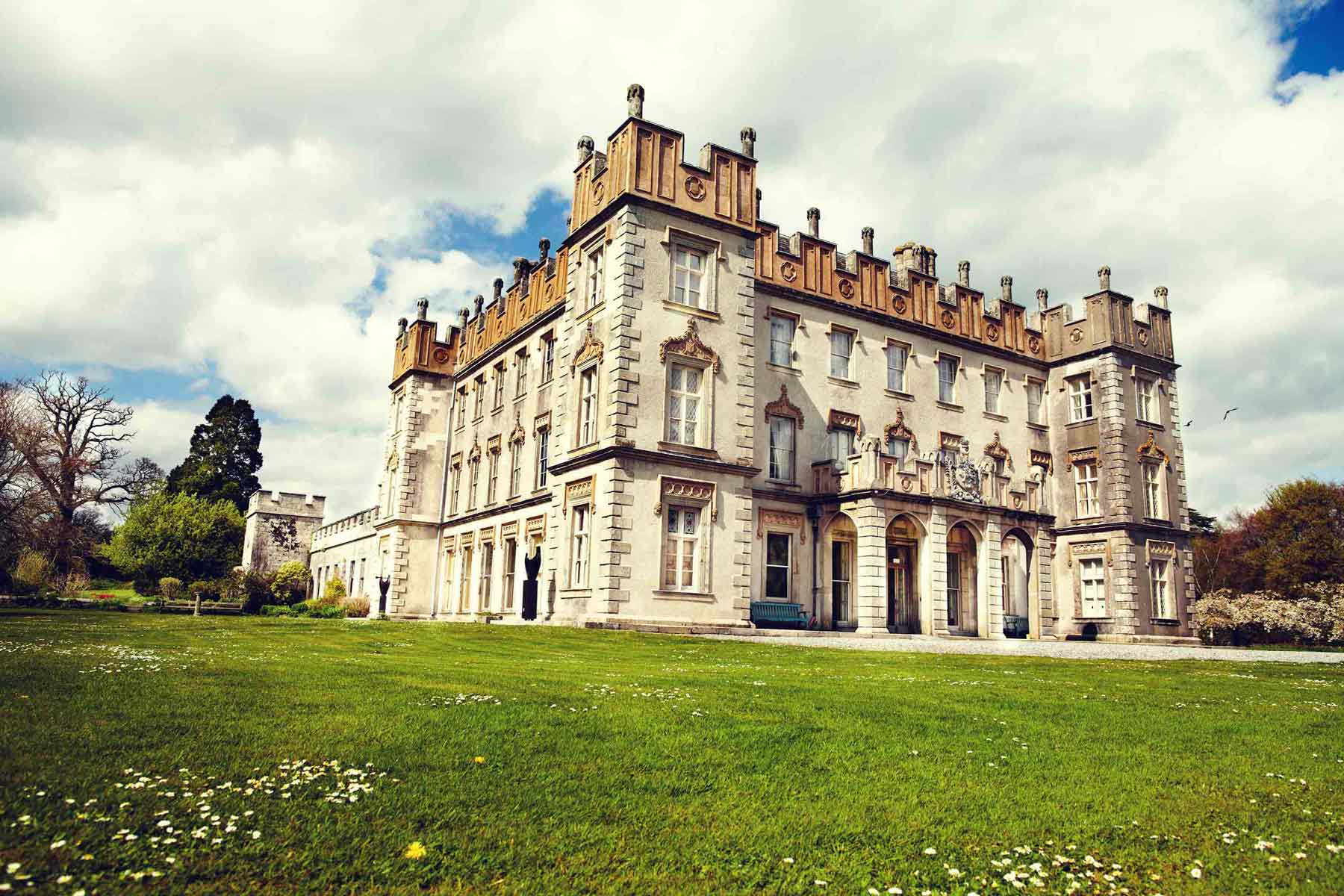
The decision happens before the enquiry
Wedding enquiries do not begin with a form. They begin at eleven at night, on a phone, with one partner showing the other a photograph. By the time anyone types a message, the shortlist is already down to three or four venues, and half of those will be eliminated on the website alone.
That is not a marketing problem. It is a sequencing problem. Most venue sites answer the questions the venue wants to answer — capacity, packages, a downloadable brochure — in the order the venue thinks about them. Couples ask something different, in a different order, and they ask it silently.
We rebuild the page around that order. Not because it is cleverer, but because it is what the visitor is actually doing.
What couples check, in order
Across the venue projects we have worked on, the sequence is remarkably consistent.
- Can we picture it? Wide, uncluttered photographs of the ceremony space, the room set for dinner, and the approach from the road. Not detail shots first — the whole place first.
- Is it ours for the day? Exclusivity, or the honest version of it. Couples will forgive a shared venue; they will not forgive discovering it after a site visit.
- What does it cost? Not a number necessarily, but a shape. "From £X, including Y" answers the question. "Bespoke packages" does not, and sends them to a competitor who did answer.
- Can we stay? On-site accommodation, and how many. This is decisive for destination and country house venues and is routinely buried.
- What happens when it rains? The indoor fallback, photographed. It is the single most-asked question at site visits and almost never shown.
- Who will we talk to? A face, a name, and a direct email. Not a general enquiries inbox.
The photography problem
Most venues own hundreds of wedding photographs and almost no architectural ones. The archive is full of beautiful couples, beautiful flowers, and the venue somewhere in the background.
A website cannot be built from that. It needs the room empty, the light on the walls, the corridor from the car park, the bar at dusk. That is a half-day shoot, and it is usually the single biggest upgrade available to a venue — larger than any redesign.
Where a shoot is not possible yet, we build the page so that swapping photography later is a five-minute job rather than a rebuild. Every image sits in a named slot with a fixed aspect ratio, so nothing reflows when the new pictures arrive.
Pricing pages that don't scare people away
Venues resist publishing prices for good reasons: every wedding is different, and a number invites negotiation before anyone has seen the place. But withholding the number does not stop the question — it moves it into an email you have to answer individually, forty times a season.
The middle path that works: publish a starting figure with a clear list of what it includes, and a sentence about what changes it. Couples self-select. The enquiries that arrive are closer to viable, and the ones that were never going to work stop arriving at all.
The page nobody builds: after the enquiry
Between the enquiry and the site visit there is a gap of days, sometimes weeks. In that gap the couple is looking at three other venues, and the one that sends nothing is the one that fades.
A confirmation page, a short automatic reply with the three things they will ask on the visit, and a link back to the photographs of the wet-weather option — none of it is difficult, and almost none of it exists on venue sites. It is the cheapest conversion improvement available, and it has nothing to do with the design.
- A confirmation screen that repeats the date and the next step
- One automatic reply, written by you, sent within a minute
- A single link back to the pages that answer the visit questions
What a rebuild includes
A single enquiry path with one obvious next step on every screen. No competing calls to action.
A shot list written for the site, so the shoot produces what the pages actually need.
Form, notification and reply template, so a Saturday-night enquiry is answered on Sunday morning.
How we work
One pair of hands from the first conversation to the day it goes live, and afterwards. No account manager between you and the person building it, and no handover to a support queue once the invoice is paid.
The build itself runs four to six weeks for a venue of this size, most of which is photography and copy rather than code. We work in the open — a staging link you can open at any point — so there are no reveal-day surprises.
After launch the site is yours. Files, domain, hosting account and analytics all sit in your name, and we stay on a maintenance basis only if you want us to.
How much does a wedding venue website cost?
Most venue projects land between £4,000 and £9,000 depending on page count, photography and whether booking or enquiry integration is involved. We quote a fixed figure after the first call, not an hourly estimate.
Do we need new photography?
It is the single biggest factor in how the site performs, and yes, almost always. If a shoot is not possible immediately we build with what exists and structure the pages so new images drop in without a rebuild.
Can you work with our existing booking system?
Yes. We integrate with the common venue and hotel booking platforms, or build a direct enquiry path where the platform would add friction. The decision is made on the first call.
Should we publish our prices?
A starting figure with a clear inclusion list saves more time than it costs. Venues that publish one typically see fewer but better enquiries, and spend less of the season answering the same question.
How long does it take?
Four to six weeks from kick-off, assuming photography and copy are available. The build itself is the short part; gathering the material is usually what sets the pace.
Tell us about the project and what is not working.
Start a project