
Morphos / Wineries
Website design for wineries and vineyards
A winery site has to sell three things at once: the wine, the visit, and the club. Most sites do one of them well.
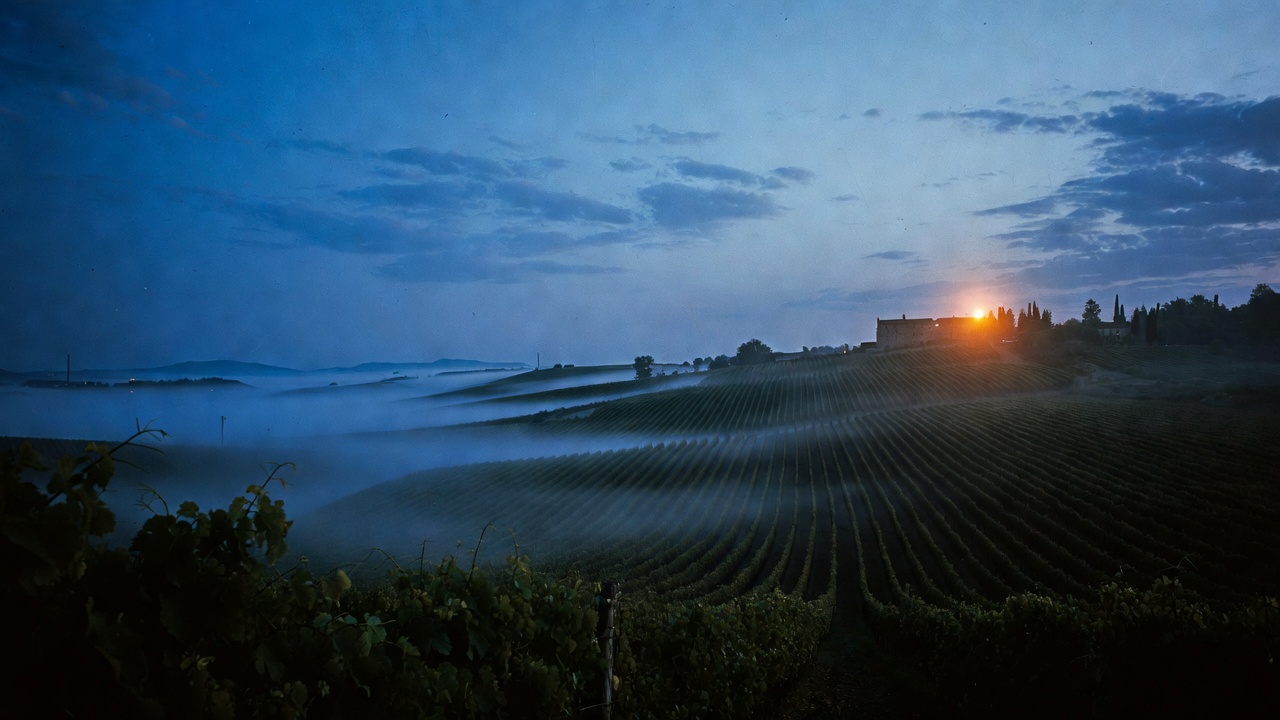
A vineyard is one of the few businesses where the product genuinely cannot be separated from the place. That is an advantage online, and most winery sites waste it — a catalogue with a tasting note, and no sense of the slope, the vintage, or the person who decided when to pick.
What we build in
Six things, in the order that matters to a club member rather than to an agency awards jury.
The six things a winery site needs
- Wine club and allocation signups as a first-class path — not a link in the footer. Club growth is the difference between a vintage sold and a vintage held.
- Tasting, tour and cellar-door booking that reflects real capacity, so a Saturday does not oversell and a quiet Tuesday still fills.
- Product pages that tell the vintage story — grape, site, decision, and what it tastes like, in words a customer can use at a dinner table.
- Age verification and shipping rules without friction — handled quietly, with the regulatory checks your markets actually require.
- Structured product data — Product and Offer markup so wines surface correctly in search and can be quoted accurately by AI assistants.
- Club tiers and allocation logic where the estate needs it, without turning the website into an ERP nobody on the team can operate.
Three audiences, and why one page cannot serve all of them
Most winery sites collapse buyer, visitor and member into a homepage and a shop. Separating them is not a design preference — it is the difference between a visitor knowing what to do next and closing the tab.
Who arrives, and what they need
| Audience | What they need | Where it lives |
|---|---|---|
| The buyer | A wine they can understand and trust, and a reason to buy six rather than one. | Product and collection pages |
| The visitor | Proof the visit is worth the drive — the view, the tasting room, the timing. | Visit and booking pages |
| The member | A reason to stay in the club: allocation, access, events, and a sense of belonging. | Club and account pages |
Estate work is usually quiet work
The best winery sites are rarely the loudest. A single well-shot frame of the slope, the vintage in the headline, and a booking link that works on a phone in a car park will outperform a carousel of awards. Motion is used where it carries meaning — the growing season, the pour, the light through a cellar — and nowhere else.
If your direct sales are constrained by shipping rules rather than demand, we will say so rather than build a checkout nobody can complete. Knowing which markets are worth serving is part of the work.
The wine club is the business
For most small wineries the margin is not in the bottle sold through a distributor. It is in the club: the customer who takes a case twice a year, every year, and brings three friends to the open day.
That makes the club page the most commercially important page on the site, and it is almost always the thinnest. A single paragraph and a form, somewhere below the fold, after the vineyard photographs.
We build it as a first-class page: what the club is, what arrives and when, what it costs, what happens if you cancel, and one obvious way to join. A clear joining page typically does more for a winery than any redesign of the homepage.
Age gates and the traffic they cost
An age gate is a legal requirement in many markets and a conversion tax in all of them. Done badly — a full-screen interstitial, a date picker on mobile, a redirect after confirmation — it is where a measurable share of visitors leave.
It can be done properly: a single screen, remembered for the session, no redirect, and never blocking the page behind it from being indexed. Search engines should see the content; a visitor should confirm once.
We treat it as part of the build rather than an afterthought plugin, because retrofitting a gate is how sites end up with two of them.
Vintage, allocation and the problem of being sold out
A winery site has to stay useful when there is nothing to sell. An empty shop page tells a visitor the winery has stopped; a waiting list, a cellared page or a note about the next release keeps them.
We build vintages as structured records rather than free text, so a sold-out wine can stay on the site as context — tasting note, the year, what happened in the vineyard — without pretending it is available.
That archive is also, quietly, the best search asset a winery has: nobody else writes about that specific growing season.
How much does a winery website cost?
Estate and winery projects typically run £7,000 to £20,000 depending on catalogue size, club integration, e-commerce and photography. A focused single-estate site sits near the lower end; a multi-site group with allocation logic sits at the top.
Can you integrate our existing wine club or POS?
Yes, where the platform exposes an integration. Common club, POS and e-commerce platforms are all workable, and shipping-rule complexity is usually the deciding factor rather than catalogue size.
Do you work with small family estates?
Yes — some of the best projects are single-estate family vineyards where the story matters more than the catalogue. The scope simply gets smaller, not the care.
Will customers buy wine directly from the site?
Only where shipping and licensing rules make it worthwhile. We will tell you plainly if a market is better served by a retailer link than by a checkout that frustrates people.
How do you handle age verification?
Quietly. One clear check that satisfies the markets you sell into, placed where it does not interrupt the reading experience of someone who has already decided to buy.
Can the site handle allocations and club tiers?
Yes, where the estate genuinely needs it. We would rather build a clear club path with real tier logic than a complex system nobody on the team can operate.