
Morphos / Hotels
Website design for hotels and resorts
Direct bookings are won or lost in the first ten seconds. A hotel site has to carry the atmosphere of the property and make the booking path impossible to miss.
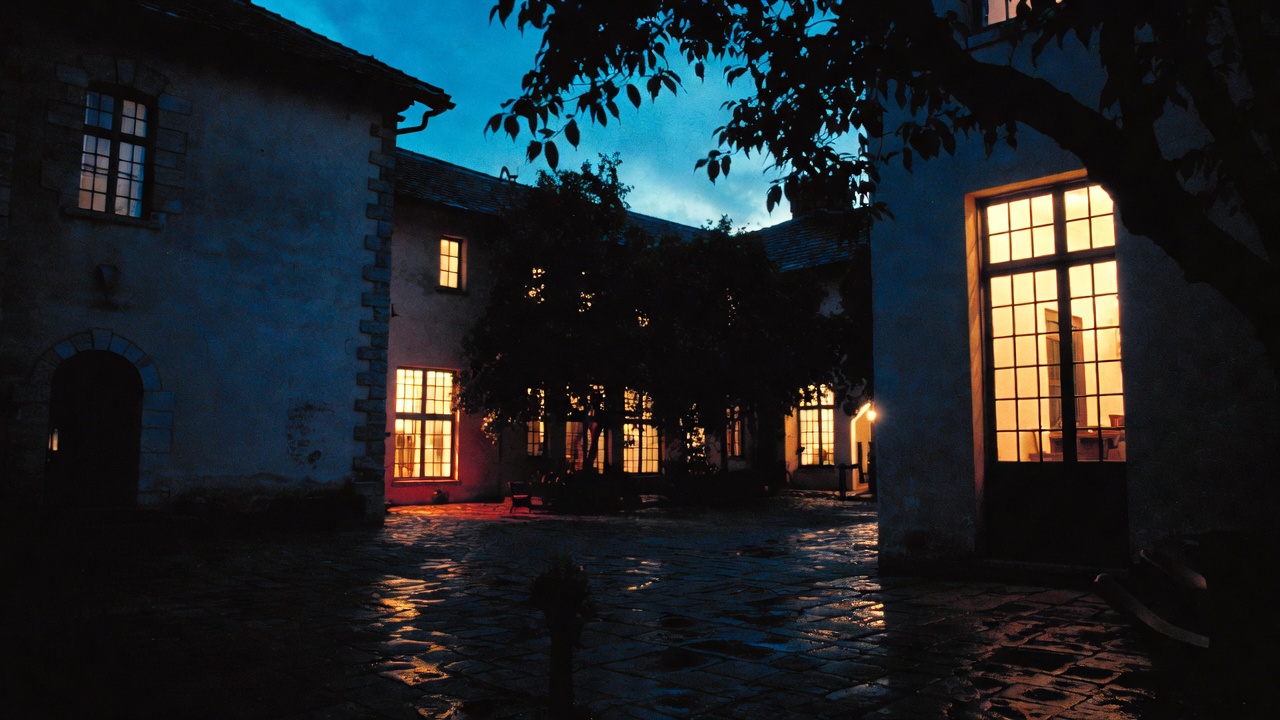
A guest who finds you through a search result or an AI assistant has already seen three other properties. What decides it is not the number of amenity icons — it is whether the page feels like somewhere they want to be, and whether booking it is effortless. Those two things are the entire brief.
What we build in
Everything below exists because a hotel lost a booking without it — usually to the intermediary whose path was one tap shorter.
The six things that decide a direct booking
- Direct booking as the primary path — the fastest route on the page, best-rate messaging where it is honest, and no commission on bookings you earn yourself.
- Room and suite pages that sell the stay — light, view, bed, bath, and the reason to pick this room over the next one. Not a list of amenity icons.
- Seasonal offers your team can publish — campaign pages and rate blocks editable without a developer, timed to the season rather than to a release cycle.
- Photography-led layouts that survive hotel wifi — responsive images, lazy loading and typographic fallbacks, so a slow connection shows content rather than a spinner.
- Multi-language and multi-currency — the languages your guests actually book in, with hreflang markup so each version ranks in its own market instead of competing with the others.
- Structured data for search and AI — Hotel, LodgingBusiness and Offer markup so engines and assistants can quote your rooms, rates and location accurately.
The direct-booking problem, honestly
Most independent hotels do not have a traffic problem — they have a routing problem. Guests already find them, then book through an intermediary because the intermediary's path is easier. The fix is not to fight the OTA. It is to make your own path faster, clearer and more reassuring than theirs, while keeping your listings live so the property stays discoverable everywhere.
What actually decides it
| What decides a direct booking | What we do about it |
|---|---|
| Can I trust this property? | Real photography, specific copy, visible policies, and no stock imagery pretending to be the place. |
| Is this the best rate? | Best-rate messaging where it is true — never undercut by your own listing on an intermediary. |
| How many steps to book? | Booking reachable from every screen, in one tap, without creating an account first. |
| Will it work on my phone? | Mobile-first layout and an image budget tested on real devices and slow connections. |
| Can I find it at all? | Structured data and clean markup, so search engines and AI assistants describe the property correctly. |
What a project looks like
Ten weeks, four stages, one person accountable for all of them.
The four stages
If you are weighing this against a template or a website builder, our comparison pages explain where each one stops being the right answer. If you are rebuilding an existing site, the search-visibility checklist is worth fifteen minutes before you brief anyone.
The booking path, end to end
A hotel site does not fail at the design stage. It fails between the decision and the confirmation: the guest has chosen the property, then meets a rate calendar that does not match the site, a redirect to a booking engine on another domain, a form that times out, or a price that changed on the last screen.
We map the whole path before designing any of it — every step, every domain change, every place the guest could be lost. Then we remove what can be removed and make what remains feel like it belongs to the same property.
Where the engine cannot be replaced, we make the handover explicit: the same photography, the same type, the same language on both sides of the redirect, so the guest never wonders whether they have landed somewhere else.
Rates, availability and honesty
Guests compare. They will have the booking engine, an OTA and your own site open at the same time, and they will notice if the rate on your site is higher than the one on the platform that is charging you commission.
Best-rate guarantees only work if the rate is genuinely visible. A site that hides prices behind an enquiry form, or shows a headline figure that turns out to exclude breakfast and tax, teaches the guest to book elsewhere next time.
The pages we build show a real starting rate, what it includes, and what changes it. Fewer enquiries, better ones, and less time spent answering the same question on the phone.
Seasonality and the quiet months
A hotel site is read differently in January than in July. In season the question is availability; out of season it is why come at all.
We build the ability to lead with a different story at different times of year without rebuilding anything: an off-season package, a midweek offer, a restaurant or event that carries the property through the quiet weeks.
That is a content structure problem rather than a design one, which is why it is planned at the start rather than bolted on in the second winter.
How much does a hotel website cost?
Most boutique hotel projects sit between £8,000 and £25,000 depending on room count, languages, motion and booking integration. A focused single-property site with a straightforward booking engine sits near the lower end. You get a fixed written number before work starts.
Will a new site reduce our dependence on Booking.com?
That is usually the point of doing it. The direct path is designed as the fastest route on the site, with best-rate messaging where it is honest — while your OTA listings stay live so the property remains discoverable everywhere.
Can the site handle multiple languages?
Yes. Typically English plus the languages your guests actually book in. Each language gets its own URLs and hreflang markup so it ranks in its own market rather than competing with the others.
Do you integrate with our existing booking engine?
Yes, where the engine exposes an integration or a workable booking flow. If it does not, we say so before you commit rather than discovering it halfway through the build.
What about our existing rankings?
Existing URLs are kept wherever possible, metadata is carried over, anything that moves is redirected, and structured data is rebuilt. A rebuild is planned to hold or improve visibility, not reset it.
Do you supply the photography?
We art-direct it and work with a trusted photographer, or build from your existing library — whichever the property deserves. Either way the site launches populated, not as a template waiting for images.